Exterior caulking is easy to overlook.
The joints around windows, doors, brick, stone and other exterior materials may seem like small details, but they play an important role in protecting your property from water and weather.
Over time, exterior sealants dry out, crack, shrink and separate from surrounding surfaces.
Once that happens, even a small opening can give moisture a direct path into areas that were designed to remain sealed.
Maintaining exterior caulking can help prevent water intrusion, protect surrounding masonry and reduce the risk of larger repairs later.
What Does Exterior Caulking Actually Do?
Exterior caulking creates a flexible seal between building materials.
Unlike mortar, caulk is designed to accommodate some movement as different materials expand and contract throughout the year.
It is commonly used around:
- Windows and doors
- Brick and masonry openings
- Expansion joints
- Concrete joints
- Changes between different building materials
- Exterior penetrations
- Cracks and vulnerable gaps
When these joints are properly sealed, they help keep rain and moisture where they belong, outside your property.
Why Exterior Caulk Eventually Fails
No exterior sealant lasts forever.
Caulking is constantly exposed to sunlight, rain, snow, temperature changes and normal building movement.
Summer heat can cause materials to expand.
Winter temperatures cause them to contract.
After years of this movement, caulk may begin pulling away from the surfaces it was originally protecting.
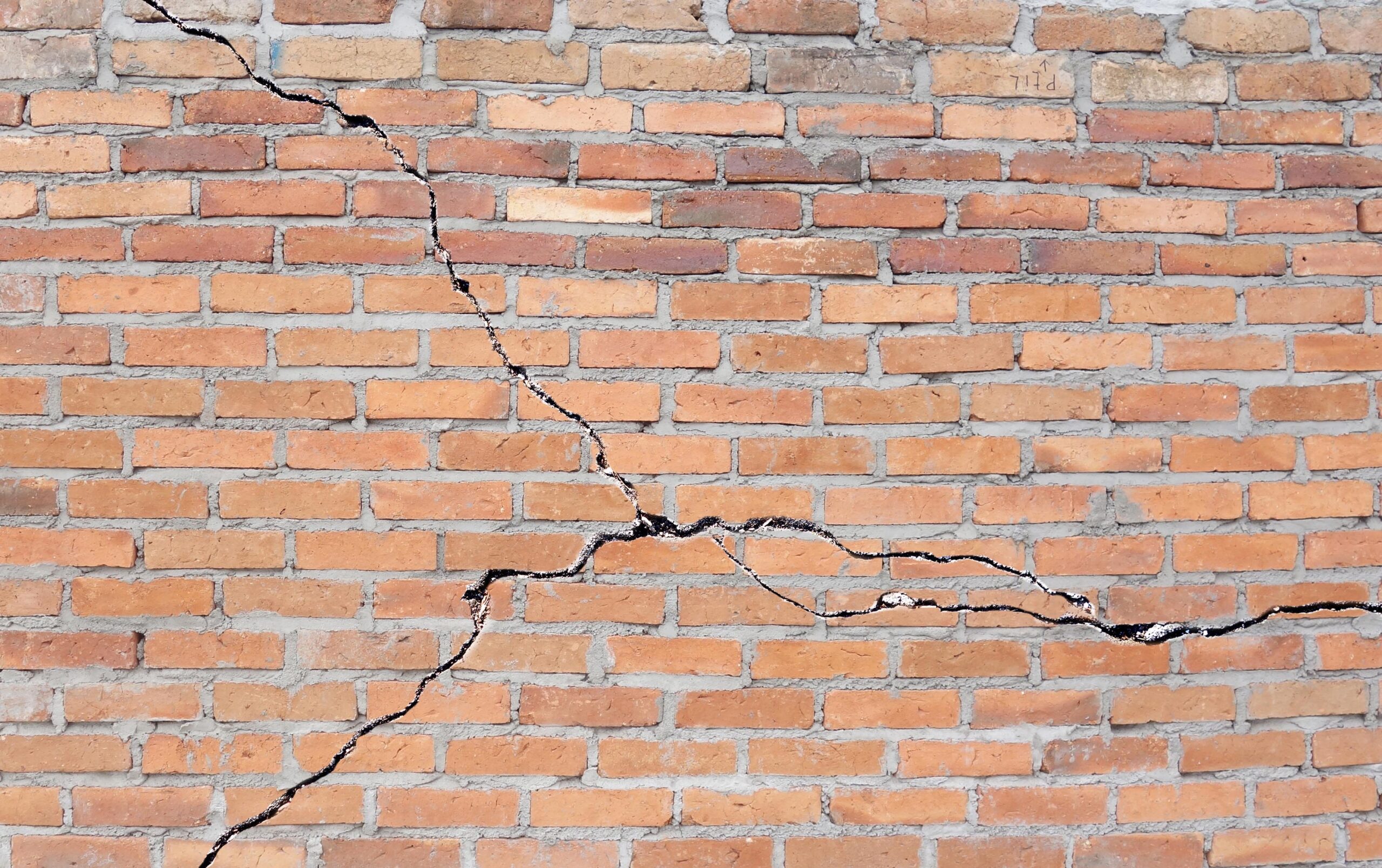
You may notice cracking, splitting, shrinking or sections of sealant that are completely missing.
These are signs that the joint may no longer be properly sealed.
Small Gaps Can Create Bigger Problems
It doesn’t take a large opening for water to get inside.
Rain driven by wind can enter surprisingly small cracks and gaps around masonry joints, windows and doors.
Once moisture gets behind the exterior surface, the source of the problem may become difficult to identify.
Water can travel behind brick, walls and other building materials before becoming visible somewhere else.
What begins as a deteriorated exterior joint can eventually contribute to staining, damaged building materials and recurring moisture problems.
Addressing failing caulk early is usually much easier than repairing the damage water can cause later.
Signs Your Exterior Caulking Needs Attention
You don’t need to wait until water appears inside your home to inspect exterior sealants.
Common warning signs include:
- Visible cracks in caulk
- Gaps between the caulk and masonry
- Missing sections of sealant
- Brittle or hardened caulk
- Shrinking around windows or doors
- Water stains near exterior openings
- Recurring moisture around previously sealed areas
If the sealant is visibly separating from the surrounding surface, it may no longer be providing the protection it was designed to provide.
Why Proper Preparation Matters
Professional caulking involves more than applying new material over an old joint.
Failing sealant should be removed when appropriate and the joint should be properly cleaned and prepared before new caulk is installed.
Applying new sealant over deteriorated material can prevent proper adhesion and shorten the life of the repair.
The type of sealant also matters.
Different joints and exterior materials require products designed for their specific application, movement and exposure to weather.
Proper preparation and professional-grade materials help create a cleaner, more durable finished seal.
Caulking And Masonry Work Together
Brick and mortar are durable, but masonry systems include more than brick alone.
Areas where masonry meets windows, doors, siding, concrete or other materials often require flexible joints rather than rigid mortar.
That’s where caulking becomes especially important.
Mortar helps maintain the masonry itself while flexible sealants protect joints that need to accommodate movement.
Keeping both in good condition creates a stronger exterior defense against moisture.
Exterior Caulking Can Help Prevent Water Intrusion
Many property owners begin investigating their masonry only after discovering a leak.
Sometimes the problem isn’t the brick itself.
Deteriorated caulking around a window, door or masonry joint may be providing the opening water needs to enter the building.
Replacing failed exterior sealants can help close these vulnerable areas and protect the surrounding materials.
However, existing masonry damage should also be addressed when necessary.
The best solution is always to identify the actual source of the moisture rather than simply covering the visible symptom.
Preventative Maintenance Costs Less Than Water Damage
Exterior maintenance is easiest when problems are caught early.
A deteriorated joint may require relatively straightforward caulking when discovered in time.
Left exposed for years, the same opening may allow enough moisture inside to contribute to damaged mortar, deteriorated masonry or interior repairs.
Periodically inspecting exterior joints around windows, doors and masonry openings can help identify problems before they become more expensive.
Caulking is a small part of your building’s exterior, but it can provide an important layer of protection.
Why Choose Beyond The Brick Masonry?
Beyond The Brick Masonry provides professional caulking, masonry restoration, waterproofing and power washing services for property owners throughout South Jersey, Philadelphia and Northern Delaware.
We take the time to evaluate vulnerable joints, deteriorated sealants and surrounding masonry before recommending the appropriate solution.
Our focus is quality workmanship, honest recommendations and lasting protection for your property.
Don’t Wait For A Small Gap To Become A Bigger Problem
Cracked, missing or deteriorated exterior caulking shouldn’t be ignored.
If you’ve noticed failing sealant around your masonry, windows, doors or exterior joints, Beyond The Brick Masonry can help determine what needs attention.
Contact us today to schedule your free estimate and protect your property against unwanted moisture.
Get a Free Estimate
Call (609) 248-0126
Frequently Asked Questions
How do I know when exterior caulking needs to be replaced?
Cracking, shrinking, separation, missing sealant and visible gaps are common signs that exterior caulking may need replacement.
Can you caulk around brick windows and doors?
Yes. Proper exterior caulking can seal vulnerable joints where brick and masonry meet windows, doors and other building materials.
Can deteriorated caulking cause water leaks?
Yes. Failed exterior sealants can create openings that allow rain and moisture to penetrate behind exterior surfaces.
Can new caulk be applied over old caulk?
Proper preparation is important. Depending on the condition of the existing material, deteriorated caulk may need to be removed so the new sealant can properly adhere.
Do you provide free caulking estimates?
Yes. Beyond The Brick Masonry provides free estimates for property owners throughout South Jersey, Philadelphia and Northern Delaware.