Water is one of the most destructive forces your home will ever face.
While brick and stone are known for their strength and longevity, they aren’t completely waterproof. In fact, masonry is naturally porous, meaning it absorbs small amounts of moisture every time it rains.
That’s perfectly normal.
Problems begin when water enters faster than it can escape.
As moisture repeatedly works its way into brick, mortar and surrounding building materials, it slowly begins breaking them down. The damage often starts long before homeowners notice leaks inside the house.
Understanding how water affects masonry is one of the best ways to prevent costly repairs and extend the life of your home.
How Water Gets Into Masonry
Brick walls don’t suddenly start leaking overnight.
In most cases, water finds small openings and gradually works its way deeper into the structure over many months or even years.
Some of the most common entry points include:
- Cracked mortar joints
- Missing mortar
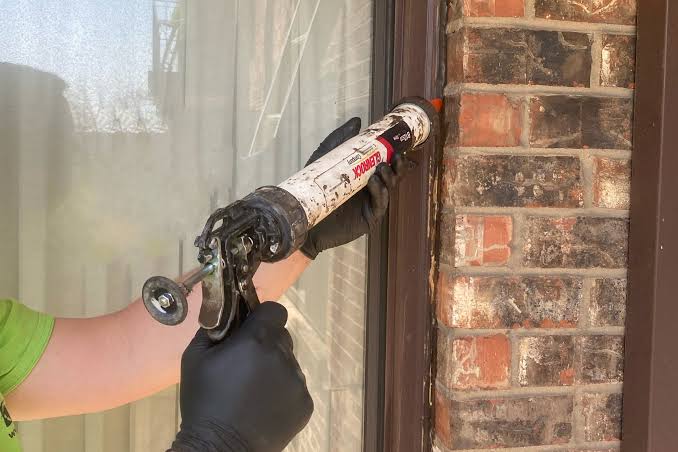
- Deteriorated caulking
- Damaged brick
- Open joints around windows and doors
- Unsealed masonry surfaces
Once moisture enters these openings, it begins moving through the wall using gravity and capillary action.
By the time you notice water inside your home, the exterior masonry has often been allowing moisture inside for quite some time.
Why Brick Isn’t Waterproof
Many people assume brick naturally keeps water out.
That’s only partially true.
Brick is designed to shed most rainwater while allowing small amounts of moisture to evaporate naturally.
Problems occur when damaged mortar joints, failing sealants or cracked brick allow excessive amounts of water into the wall faster than it can dry.
This constant cycle of wetting and drying eventually accelerates deterioration and shortens the life of the masonry.
That’s why routine inspections and maintenance are so important.
Freeze and Thaw Damage
Winter is especially hard on masonry.
When water enters brick or mortar and temperatures drop below freezing, that moisture expands.
As the ice grows, it places tremendous pressure on the surrounding masonry.
Over time this repeated expansion can cause:
- Cracked brick
- Loose brick
- Broken mortar joints
- Spalling brick faces
- Larger structural repairs
One harsh winter may not cause noticeable damage.
Years of freeze and thaw cycles almost certainly will.
Efflorescence Is More Than a Cosmetic Problem
Many homeowners notice white staining on their brick and assume it’s simply dirt.
It’s actually something called efflorescence.
Efflorescence occurs when water carries natural salts through masonry and deposits them on the surface after the moisture evaporates.
While the white residue can usually be cleaned, it’s important to understand what it’s telling you.
Water is moving through your masonry.
Removing the stain without solving the moisture problem is only a temporary fix.
The staining will usually return until the source of the water intrusion is addressed.
Don’t Ignore Interior Water Stains
One of the biggest misconceptions homeowners have is assuming every water stain originates from the roof.
That’s not always the case.
Water entering through deteriorated masonry often travels behind walls before finally appearing around windows, ceilings or drywall.
If you’re experiencing recurring moisture near brick walls, chimneys or masonry openings, the problem may actually begin on the exterior.
A professional inspection can help determine exactly where the water is entering before recommending the appropriate repairs.
Not sure where the water is coming from? Beyond the Brick Masonry provides free estimates and can identify masonry issues before they become larger structural problems.
Waterproofing Isn’t A Shortcut
Many people think waterproofing products solve every moisture problem.
Unfortunately, that’s not how masonry works.
Applying waterproofing over cracked mortar or damaged brick doesn’t eliminate the opening that’s allowing water inside.
Professional waterproofing should always follow the necessary repairs.
That may include:
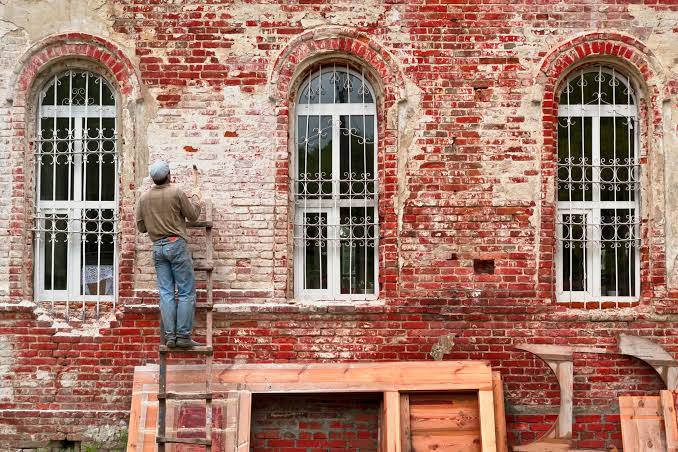
- Repointing deteriorated mortar
- Replacing damaged brick
- Installing new exterior caulking
- Repairing masonry joints
- Cleaning the surface before waterproofing
Treating the cause instead of simply covering the symptoms leads to longer-lasting protection.
Protecting Your Home Starts Outside
The exterior of your home is its first line of defense against the weather.
Keeping mortar joints in good condition, replacing deteriorated sealants and addressing masonry damage early all help prevent moisture from reaching the structure behind the brick.
Routine inspections every few years can identify developing problems before they require major restoration.
Just like maintaining your roof or HVAC system, masonry maintenance protects one of your home’s biggest investments.
Why Choose Beyond The Brick Masonry?
Beyond The Brick Masonry helps property owners throughout South Jersey, Philadelphia and Northern Delaware protect their properties from moisture damage through quality workmanship and honest recommendations.
Whether your project requires masonry restoration, waterproofing, caulking or brick repair, every recommendation is based on solving the actual problem, not simply treating the symptoms.
Our goal is to help you protect your property for years to come.
Don’t Let Water Damage Become A Bigger Problem
Moisture issues rarely improve on their own.
If you’ve noticed white staining, cracked mortar, loose brick or water entering your home, schedule your free estimate with Beyond the Brick Masonry today.
We’ll inspect your masonry, identify the source of the problem and recommend the right long-term solution.
Get a Free Estimate
Call (609) 248-0126
Frequently Asked Questions
Why is water coming through my brick wall?
Water often enters through deteriorated mortar joints, cracked brick or failing exterior caulking. A professional inspection can identify the exact source of the problem.
What is efflorescence?
Efflorescence is the white powdery residue left behind when water carries natural salts through masonry. It’s often a sign that moisture is moving through the wall.
Will waterproofing stop leaks?
Professional waterproofing can significantly reduce moisture intrusion, but damaged masonry should always be repaired before waterproofing products are applied.
Should older brick be waterproofed?
Many older homes benefit from breathable masonry waterproofing after necessary repairs have been completed. Every property should be evaluated individually.
Do you provide free waterproofing estimates?
Yes. Beyond the Brick Masonry proudly provides free estimates for property owners throughout South Jersey, Philadelphia and Northern Delaware.