Fall has arrived.
The temperatures are starting to drop, leaves are beginning to fall and winter weather is not far behind.
For homeowners and property managers, this is an important time to take a closer look at exterior masonry.
Small cracks, deteriorated mortar, failing caulk and moisture problems that seem minor during warmer weather can become much more serious once freezing temperatures arrive.
Fall masonry maintenance gives you an opportunity to identify vulnerable areas, make necessary repairs and protect your property before winter puts brick, mortar and concrete to the test.
Why Fall Is An Important Time For Masonry
Brick, stone and mortar are constantly exposed to the elements.
During the warmer months, small cracks or deteriorating joints may not seem particularly urgent.
Winter changes that.
Moisture can enter damaged masonry during rain, melting snow and changing weather conditions. When temperatures fall below freezing, trapped water can freeze and expand.
That repeated process can gradually make existing damage worse.
Taking care of vulnerable masonry during the fall can help reduce the amount of moisture entering the structure before the coldest weather arrives.
Check Your Mortar Joints Before Winter
Mortar plays an important role in holding masonry together and helping protect the wall from the elements.
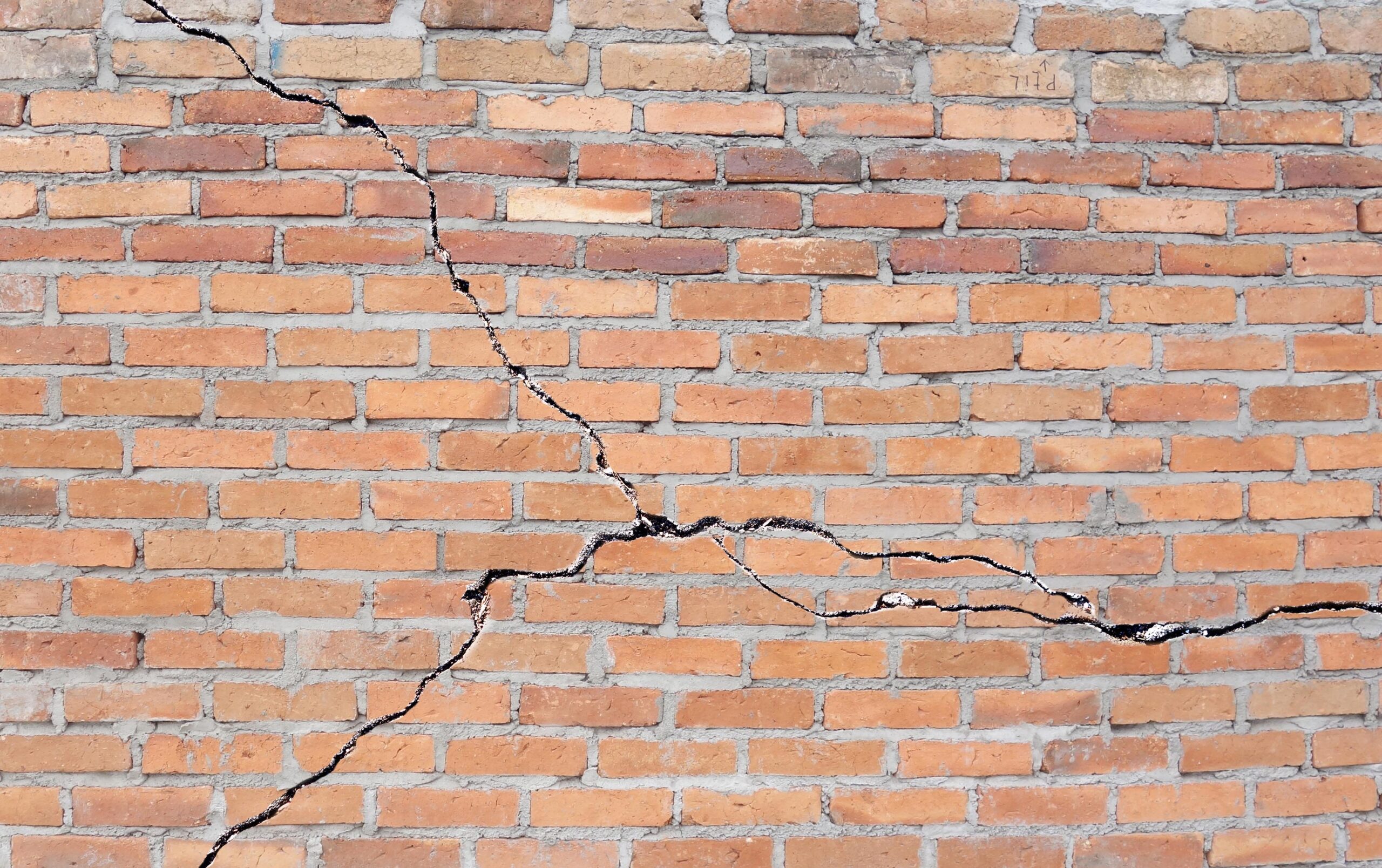
Over time, mortar joints can crack, crumble or begin separating from the surrounding brick.
These openings provide potential entry points for moisture.
Walk around your property and look for:
- Cracked mortar joints
- Missing sections of mortar
- Crumbling or powdery mortar
- Gaps between brick and mortar
- Loose brick
- Areas that appear significantly more deteriorated than surrounding masonry
Deteriorated joints may need to be professionally repointed.
Repointing removes damaged mortar and replaces it with new mortar, helping restore the integrity of the masonry and close vulnerable openings.
Freeze And Thaw Cycles Can Make Existing Damage Worse
One of the biggest winter threats to masonry is the freeze and thaw cycle.
Brick and masonry materials naturally absorb some moisture.
When that moisture freezes, it expands.
When temperatures rise again, the ice melts.
This process can happen repeatedly throughout a South Jersey winter as daytime temperatures rise above freezing and nighttime temperatures fall below it.
Existing cracks and damaged mortar can become increasingly vulnerable during these cycles.
Over time, you may begin seeing cracked mortar, loose masonry or spalling, where the face of a brick begins breaking or flaking away.
Repairing existing damage before repeated freezing begins can help prevent smaller problems from progressing.
Don’t Forget About Exterior Caulking
Fall maintenance shouldn’t stop with the brick and mortar.
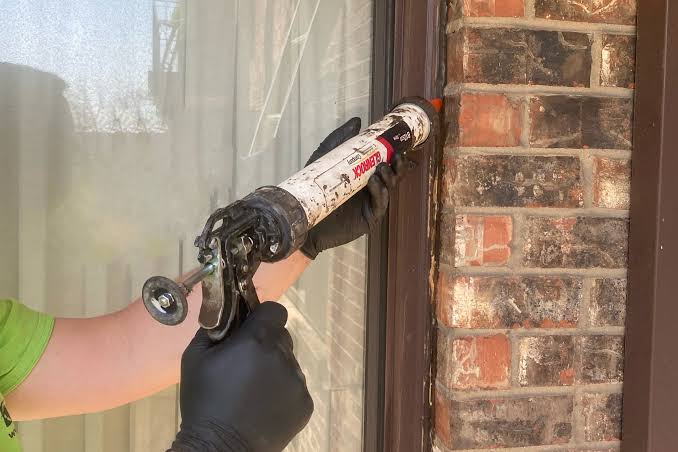
Exterior caulking is another important part of protecting your property from moisture.
Caulk is commonly used where masonry meets windows, doors and other building materials. Unlike mortar, these joints often require a flexible material that can accommodate movement.
Inspect exterior sealants for:
- Cracking
- Shrinking
- Separation
- Missing sections
- Hardened or brittle caulk
- Gaps around windows and doors
Failed caulking can provide a direct path for wind-driven rain and moisture.
Replacing deteriorated sealants before winter helps close these vulnerable areas before snow, ice and freezing temperatures arrive.
Look For Signs Of Water Problems
You don’t necessarily need to see water pouring through a wall to have a moisture problem.
Masonry often provides warning signs.
White staining on brick, known as efflorescence, can indicate that moisture is moving through the masonry.
Dark staining, deteriorating mortar, recurring damp areas and interior water marks near masonry walls can also deserve attention.
Fall is a good time to investigate these problems because simply allowing them to continue through another winter may make the underlying damage worse.
Seeing signs of moisture or deteriorating masonry? Beyond The Brick Masonry provides free estimates to help identify problems and determine the appropriate repairs before winter.
Inspect Your Chimney
Chimneys experience some of the harshest conditions of any masonry on a property.
They’re elevated above the roofline and exposed to rain, wind, snow, ice and temperature changes from every direction.
Look for cracked mortar joints, loose bricks, deteriorating masonry and visible damage around the chimney.
Chimney problems can also allow moisture to enter areas that aren’t immediately visible from inside the home.
Because accessing a chimney can be dangerous, a professional inspection is the safer choice when you suspect damage.
Catching chimney masonry problems during the fall can prevent them from sitting exposed throughout the winter.
Keep Masonry Surfaces Clean
Fall is also a good opportunity to clean certain exterior surfaces before winter.
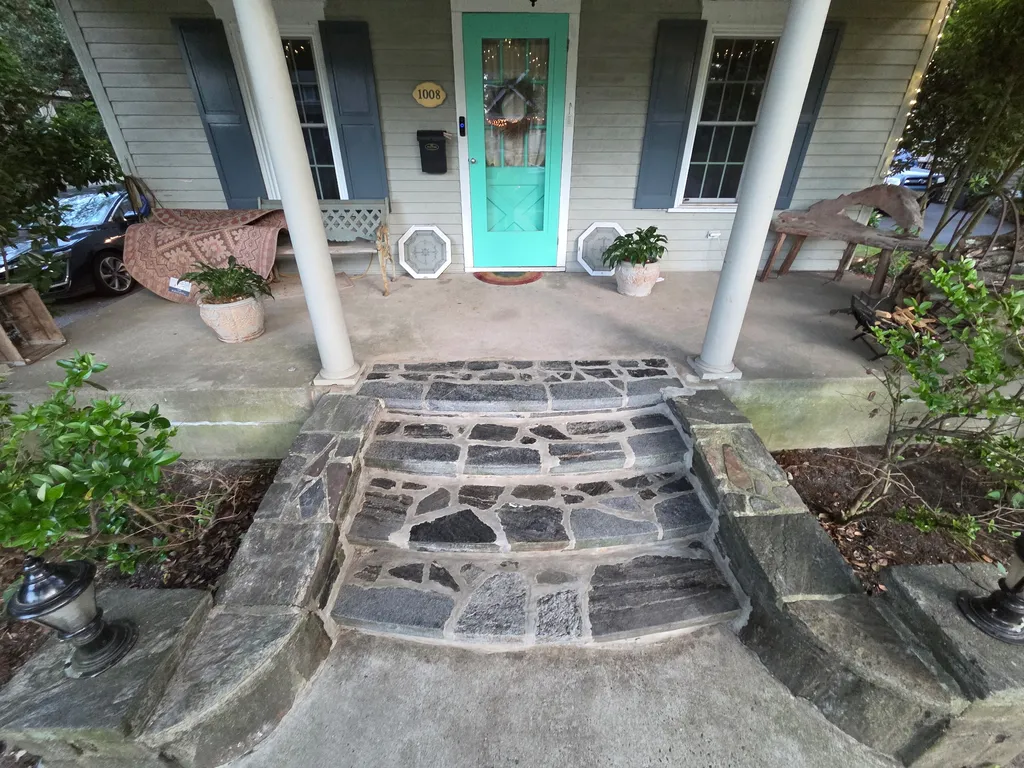
Dirt, algae, mildew and organic buildup can collect on brick, stone, concrete, patios, steps and walkways.
Professional power washing can restore the appearance of these surfaces and expose areas that may have been hidden beneath years of buildup.
Cleaning can also be an important preparation step when masonry needs additional restoration, sealing or waterproofing.
However, pressure and cleaning methods should always be appropriate for the material being cleaned. Older or deteriorated masonry may require a more careful approach than newer concrete or hardscape surfaces.
Waterproofing Should Follow Necessary Repairs
If your property has experienced recurring moisture problems, fall may also be the right time to consider waterproofing.
But waterproofing shouldn’t simply cover existing damage.
Cracked mortar, deteriorated masonry and failed exterior joints should be addressed first when they’re contributing to the problem.
Depending on the property, preparation may include masonry restoration, repointing, caulking or cleaning before an appropriate waterproofing system is applied.
The goal is to address the source of moisture intrusion and then provide additional protection where appropriate.
Fall Maintenance Can Help Prevent Spring Surprises
Some masonry problems become most noticeable after winter is already over.
A crack that seemed insignificant in September may look considerably different after months of moisture and repeated freezing.
Brick faces can begin deteriorating.
Mortar joints can loosen.
Existing cracks can become larger.
Water intrusion can become more noticeable.
By inspecting your masonry during the fall, you have an opportunity to address these vulnerabilities before another winter adds stress to the structure.
Preventative maintenance doesn’t mean every small imperfection requires immediate restoration.
It means knowing the condition of your property and addressing problems before they have an opportunity to become significantly worse.
Why Choose Beyond The Brick Masonry?
Beyond The Brick Masonry provides professional masonry restoration, waterproofing, caulking and power washing services throughout South Jersey, Philadelphia and Northern Delaware.
With more than 12 years of experience, we help residential and commercial property owners identify masonry problems and determine the right solution for their property.
Our focus is quality craftsmanship, honest recommendations and repairs designed to protect your investment for years to come.
Get Your Masonry Ready Before Winter Arrives
Fall won’t last forever.
If you’ve noticed cracked mortar, damaged brick, deteriorated caulking, moisture problems or other signs of masonry deterioration, now is a good time to have them inspected.
Beyond The Brick Masonry can evaluate your property, identify areas that need attention and recommend the appropriate repairs before winter weather arrives.
Get a Free Estimate
Call 609-248-0126
Frequently Asked Questions
Is fall a good time for masonry repairs?
Yes. Fall can be an excellent time to inspect and address masonry problems before colder temperatures and repeated freeze and thaw cycles place additional stress on damaged areas.
What masonry problems should I look for before winter?
Look for cracked or missing mortar, damaged brick, loose masonry, deteriorated caulking, moisture staining and other visible openings that may allow water into the structure.
Why does winter damage brick and mortar?
Moisture can enter porous or damaged masonry and freeze when temperatures drop. Because water expands when it freezes, repeated freeze and thaw cycles can worsen existing cracks and deterioration.
Should masonry be waterproofed before winter?
Waterproofing may be beneficial for certain masonry surfaces and moisture problems, but damaged brick, mortar and exterior joints should be properly repaired first.
Do you provide free fall masonry inspections and estimates?
Beyond The Brick Masonry provides free estimates for property owners throughout South Jersey, Philadelphia and Northern Delaware who are concerned about masonry restoration, waterproofing, caulking or other exterior masonry issues.