Fall brings cooler temperatures, changing leaves and more time spent preparing your home for the colder months ahead.
While many homeowners focus on cleaning gutters, maintaining their lawns and preparing heating systems, exterior masonry surfaces are often overlooked.
Brick steps, concrete walkways, stone patios and masonry entrances experience constant exposure to weather, foot traffic and changing temperatures.
Over time, small cracks, loose materials, uneven surfaces and drainage problems can begin developing.
These issues may seem minor during the warmer months, but colder weather, freezing temperatures and winter precipitation can make existing problems more noticeable and potentially more dangerous.
Fall is an excellent time to evaluate the condition of your exterior masonry and address problems before winter arrives.
Why Exterior Masonry Deserves Attention During Fall
Exterior masonry surfaces endure considerable wear throughout the year.
Unlike protected interior surfaces, steps, patios and walkways are continuously exposed to rain, sunlight, moisture and temperature changes.
During the summer, heat and heavy rain can contribute to expansion, contraction and gradual deterioration.
As fall arrives, cooler temperatures introduce another set of challenges.
Leaves and organic debris begin accumulating around walkways and patios. Moisture may remain trapped in low areas, damaged joints or cracks.
When winter arrives, these conditions can become more problematic.
Water entering damaged masonry may freeze and expand, placing additional stress on already weakened materials.
Evaluating these areas during fall allows homeowners and property managers to identify problems before winter conditions make repairs more complicated.
Inspect Your Brick Steps For Signs Of Deterioration
Brick steps are among the most frequently used masonry features around a home or commercial property.
They also experience considerable exposure to the elements.
Repeated foot traffic, rain, temperature changes and moisture can gradually weaken mortar joints and surrounding masonry.
Over time, you may begin noticing:
- Loose or shifting bricks
- Cracked or missing mortar
- Uneven steps
- Chipped or deteriorating brick
- Separation between steps and surrounding masonry
- Water collecting near the base of the steps
These conditions should not be ignored.
Loose bricks and uneven steps can create potential tripping hazards, especially during wet or icy weather.
Damaged mortar joints may also allow additional moisture to enter the structure.
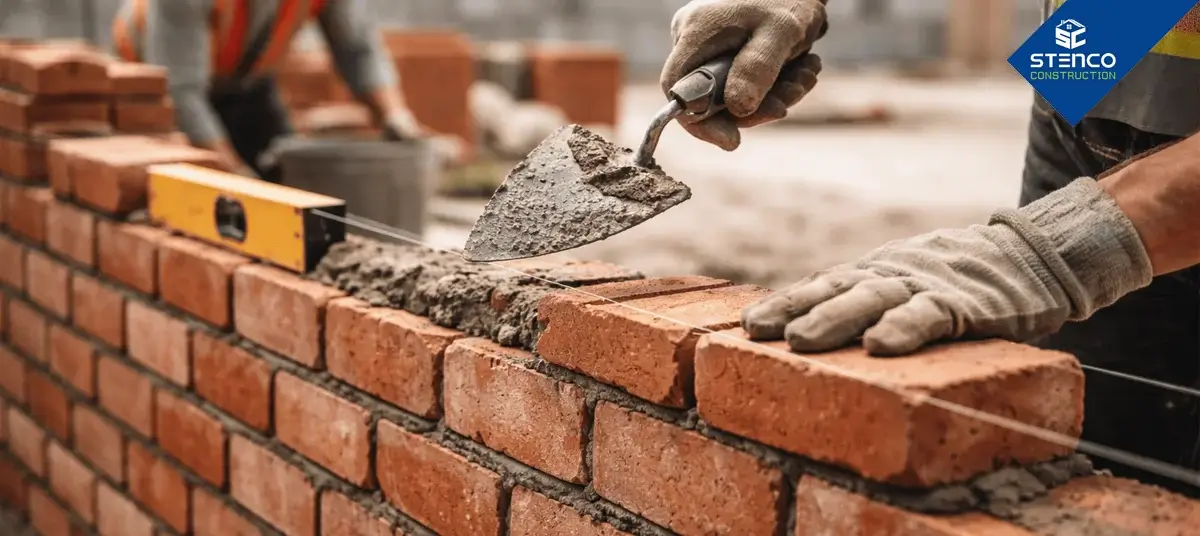
Depending on the condition of the steps, professional masonry restoration may involve repointing mortar joints, replacing damaged brick or rebuilding deteriorated sections.
Addressing these problems during fall can help improve the condition and safety of your entrance before winter.
Uneven Walkways Can Become More Dangerous In Winter
Walkways provide important access to homes, businesses, patios and outdoor spaces.
However, concrete and masonry walkways can gradually shift or deteriorate over time.
Ground movement, settling, drainage problems and repeated exposure to the elements may contribute to uneven surfaces.
Small changes in elevation may not seem particularly concerning during the summer.
Winter can make them more hazardous.
Snow and ice can conceal uneven areas, making it difficult to identify potential tripping hazards.
Cracks can also collect water that freezes when temperatures drop.
During a fall inspection, look for:
- Raised or sunken walkway sections
- Cracked concrete
- Loose pavers
- Deteriorated joints
- Areas where water regularly collects
- Separation between walkways and adjacent structures
Not every crack requires a complete replacement.
Some problems may be addressed through targeted repairs, while more extensive deterioration may require additional restoration work.
The important thing is identifying the underlying issue rather than simply covering the visible damage.
Poor Drainage Can Lead To Bigger Masonry Problems
Water is one of the most common contributors to exterior masonry deterioration.
When rainwater drains properly away from a property, masonry surfaces are generally better protected from prolonged moisture exposure.
Problems begin when water consistently collects around steps, patios, walkways or foundations.
Standing water may indicate improper grading, settling surfaces or drainage conditions that deserve attention.
Over time, repeated moisture exposure can contribute to staining, deteriorated mortar, surface damage and unwanted water intrusion.
Fall is a particularly useful time to observe these conditions.
As leaves accumulate and seasonal rain becomes more frequent, drainage problems may become easier to identify.
After a rainfall, walk around your property and look for areas where water remains long after surrounding surfaces have dried.
Pay particular attention to masonry surfaces near entrances, foundations and exterior walls.
Correcting the source of a drainage problem is often just as important as repairing the masonry itself.
Cracked Mortar Can Allow Moisture Into Your Masonry
Mortar joints play an essential role in the strength and durability of brick and stone construction.
Over time, mortar naturally experiences weathering and deterioration.
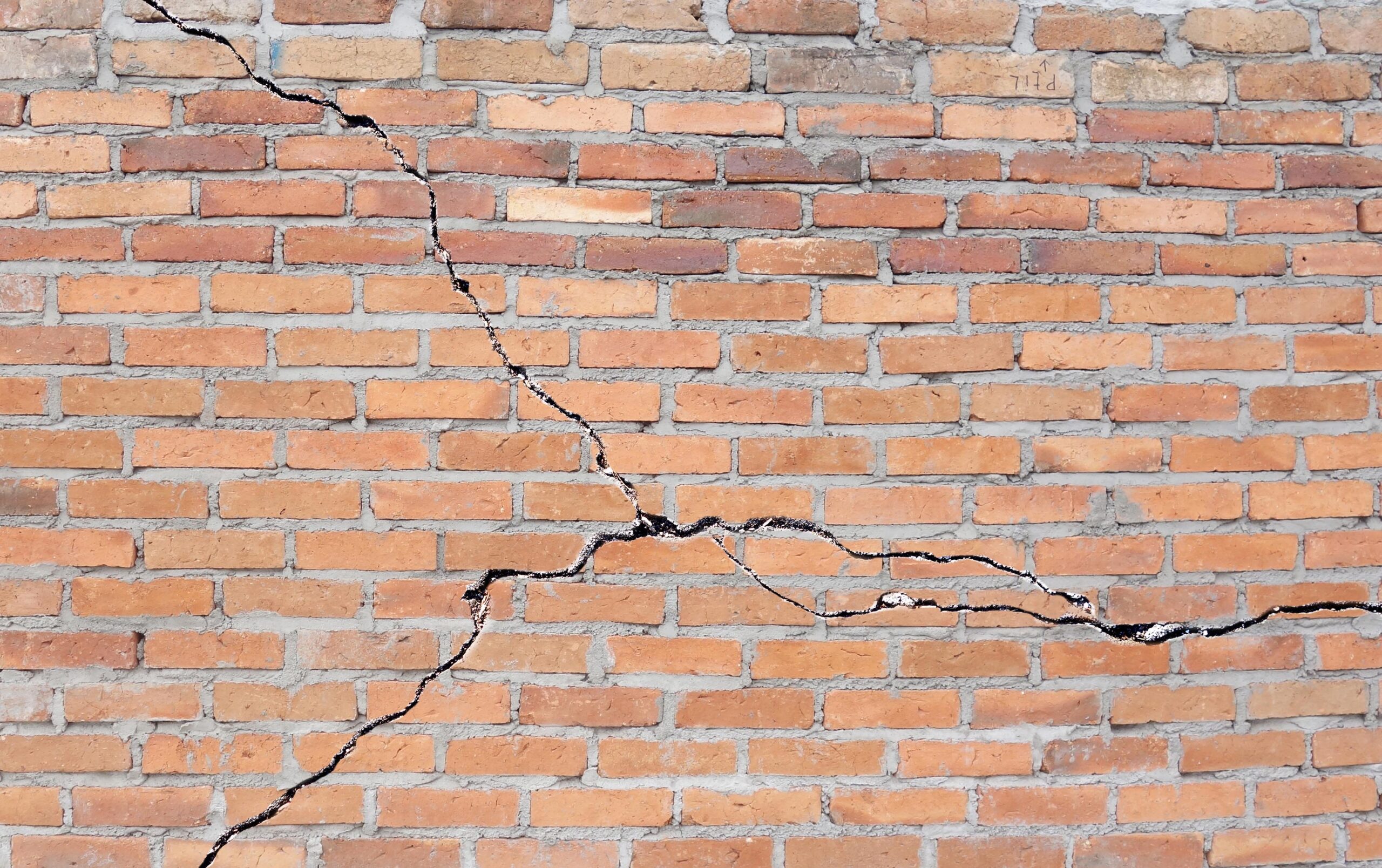
Small cracks may develop between individual bricks or stones.
In other areas, mortar may begin crumbling or separating from the surrounding masonry.
When these joints become damaged, moisture has additional opportunities to enter.
During fall, this becomes especially important because water trapped within vulnerable masonry may freeze during winter.
Repeated freezing and thawing can gradually worsen existing deterioration.
Professional repointing involves removing damaged mortar and replacing it with appropriate new mortar.
This process helps restore deteriorated joints and reduce vulnerable openings.
For brick steps, retaining walls and other exterior masonry features, timely repointing may help prevent more extensive restoration from becoming necessary later.
Don’t Overlook Your Patio
Patios are often the center of outdoor activity during spring and summer.
By fall, they may receive less attention as homeowners begin spending more time indoors.
However, this is an ideal opportunity to evaluate their condition.
Brick, stone, paver and concrete patios are exposed to moisture, foot traffic, outdoor furniture and changing temperatures.
Over time, surfaces may develop cracks, staining, uneven areas or deteriorated joints.
Organic growth can also accumulate in shaded or damp locations.
Inspect your patio for loose materials, areas that appear to be settling and spots where water collects after rain.
If the patio connects directly to your home, pay attention to the joint where the patio meets the foundation or exterior wall.
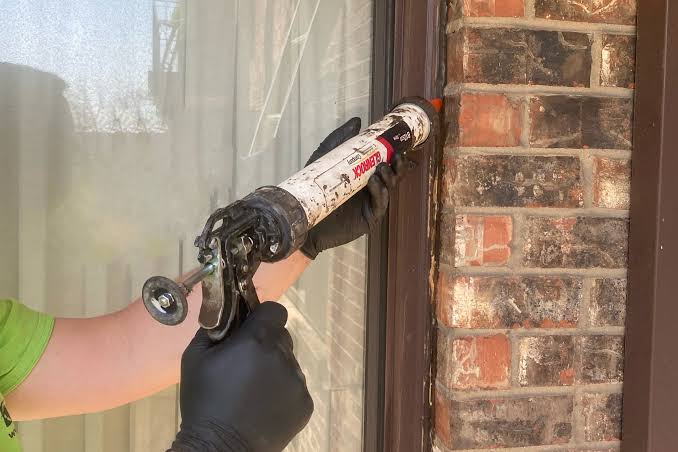
Depending on the construction, this transition may require appropriate drainage or flexible joint sealing to accommodate movement and reduce water intrusion.
Identifying these problems before winter helps prevent them from being overlooked until the following spring.
Fall Leaves And Organic Buildup Can Hide Problems
Fallen leaves are a familiar part of autumn throughout South Jersey and the Philadelphia region.
While they create beautiful seasonal scenery, accumulated leaves and organic debris can conceal damaged masonry surfaces.
Wet leaves may also create slippery conditions on steps and walkways.
When debris remains on exterior surfaces for extended periods, it can retain moisture and contribute to staining or organic growth.
Routine cleaning helps keep these areas visible and easier to inspect.
Professional power washing may also help remove accumulated dirt, algae, mildew and other buildup from suitable masonry surfaces.
However, cleaning methods should always be appropriate for the material.
Older brick, deteriorated mortar and certain stone surfaces may require lower-pressure or specialized cleaning methods to avoid unnecessary damage.
Cleaning is not a substitute for restoration, but it can help reveal problems that may otherwise remain hidden.
Why Small Masonry Repairs Are Worth Addressing Early
One of the most common mistakes property owners make is waiting until visible masonry damage becomes severe.
A small crack may not seem urgent.
A loose brick may appear harmless.
An uneven walkway may be something everyone has simply learned to step around.
But exterior masonry is continuously exposed to weather and physical use.
Problems that begin in one small area can gradually affect surrounding materials.
For example, deteriorated mortar may allow additional moisture into nearby joints.
A loose brick step may place added stress on adjacent masonry.
A settling patio section may contribute to drainage problems that affect surrounding surfaces.
Addressing these issues early does not necessarily mean undertaking a major restoration project.
In many situations, targeted repairs can help restore damaged areas before deterioration becomes more extensive.
The key is understanding which problems require attention and choosing the appropriate repair.
Noticing loose bricks, cracked steps or deteriorating walkways? Beyond The Brick Masonry provides free estimates to help property owners evaluate exterior masonry problems and determine the appropriate solution.
Commercial Properties Need Fall Masonry Maintenance Too
Exterior masonry maintenance is just as important for commercial properties.
Businesses, office buildings, apartment communities and other commercial facilities often experience heavier pedestrian traffic than residential properties.
Entrances, sidewalks, exterior steps and common areas must remain accessible throughout the year.
Damaged masonry can affect appearance, create maintenance concerns and contribute to potential safety hazards.
Fall provides an opportunity for property managers to identify areas requiring attention before snow, ice and winter weather create additional challenges.
Routine inspections can help prioritize necessary repairs and reduce the likelihood of unexpected masonry problems during the colder months.
Maintaining clean, stable and properly repaired exterior surfaces also contributes to a more professional appearance for customers, tenants and visitors.
Why Choose Beyond The Brick Masonry?
Beyond The Brick Masonry provides professional masonry restoration, waterproofing, caulking and power washing services throughout South Jersey, Philadelphia and Northern Delaware.
With more than 12 years of experience, we help residential and commercial property owners maintain, restore and protect their exterior masonry.
From deteriorated mortar and damaged brick to exterior joint sealing and professional masonry cleaning, our team focuses on identifying problems and recommending practical solutions.
We believe quality craftsmanship, honest recommendations and attention to detail are essential to protecting your property.
Our work is backed by our Satisfaction Guarantee.
Take Care Of Your Exterior Masonry Before Winter
Fall is an opportunity to address the areas around your property that may have experienced wear throughout the year.
Brick steps, walkways, patios and exterior masonry surfaces all deserve attention before freezing temperatures arrive.
Loose bricks, cracked mortar, uneven surfaces and drainage problems can become more difficult to manage once winter weather begins.
Taking care of necessary repairs now can help protect your property, improve exterior appearance and reduce the likelihood of additional deterioration.
Whether you need masonry restoration, repointing, caulking or professional power washing, Beyond The Brick Masonry is here to help.
Get a Free Estimate
Call 609-248-0126
Serving South Jersey, Philadelphia and Northern Delaware.
Frequently Asked Questions
Is fall a good time to repair brick steps and walkways?
Yes. Fall is a good time to inspect exterior masonry and address damaged brick, deteriorated mortar and uneven surfaces before winter weather arrives. The timing of repairs depends on temperatures, materials and the work required.
Why do brick steps become loose over time?
Brick steps can deteriorate because of aging mortar, moisture exposure, settling, repeated foot traffic and freeze and thaw cycles. A professional evaluation can help determine whether individual repairs or more extensive restoration is necessary.
Can cracked concrete walkways get worse during winter?
Yes. Water can enter existing cracks and freeze when temperatures fall. Repeated freezing and thawing may contribute to additional deterioration, particularly when the concrete is already damaged.
Should I power wash my patio before winter?
Cleaning may be beneficial when dirt, algae, mildew or organic buildup has accumulated. However, the appropriate cleaning method depends on the surface material and its condition. Older or damaged masonry may require specialized cleaning techniques.
Does Beyond The Brick Masonry repair exterior masonry for residential and commercial properties?
Yes. Beyond The Brick Masonry provides masonry restoration, waterproofing, caulking and power washing services for residential and commercial properties throughout South Jersey, Philadelphia and Northern Delaware. Contact us for a free estimate.