Brick is one of the most durable building materials ever used in construction. Many brick buildings have stood for well over a century, proving just how long quality masonry can last when properly maintained.
What many property owners don’t realize, however, is that while brick is built to last, the mortar holding it together is designed to wear over time. Years of rain, snow, changing temperatures and moisture gradually break down mortar joints, allowing water to penetrate the wall and begin damaging the masonry from the inside out.
The good news is that masonry problems rarely happen overnight. In most cases, your home or building gives you warning signs long before major repairs become necessary.
Recognizing those warning signs early can often save thousands of dollars while protecting the beauty, value and structural integrity of your property.
Here are seven signs that it may be time to schedule a professional masonry inspection.
1. Cracked or Missing Mortar
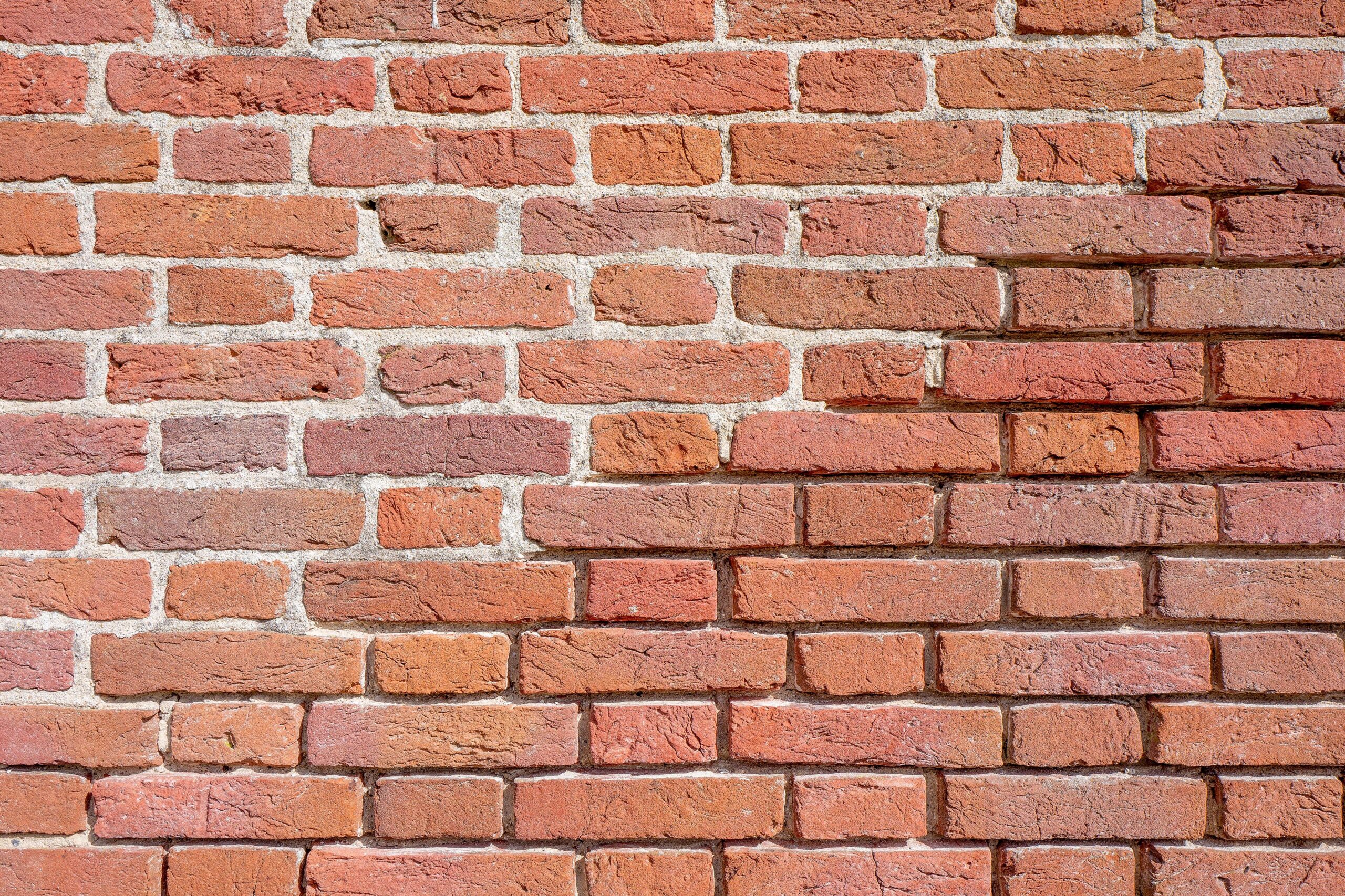
Mortar acts as the bond that holds your brick together, but unlike the brick itself, it isn’t meant to last forever. As it ages, exposure to weather causes it to slowly crack, separate and eventually fall away.
Many homeowners overlook deteriorating mortar because the brick still appears solid. Unfortunately, this is often when moisture begins finding its way into the wall.
Once water enters through open mortar joints, it can freeze during colder months and expand. That expansion places additional stress on surrounding brick and accelerates the deterioration process.
The earlier deteriorating mortar is repaired, the better the chances of preventing larger masonry repairs in the future.
If you notice cracked joints, missing mortar or small gaps between brick, it’s worth having the masonry professionally evaluated.
2. Loose or Moving Brick
Brick should never move.
If a brick shifts when pressed or appears to be pulling away from the wall, it’s usually a sign that the surrounding mortar has weakened.
In many cases, water has already worked its way behind the brick, slowly breaking down the bond that once held everything together.
Loose brick isn’t just an appearance issue. It can become a safety concern while creating additional openings for moisture to enter the wall.
Repairing loose masonry early is typically much simpler and more affordable than waiting until larger portions of the wall require restoration.
3. White Stains On Brick
If you’ve ever noticed a white chalky residue on your brick, you’ve likely seen something called efflorescence.
Efflorescence occurs when moisture travels through masonry and carries natural salts to the surface. As the water evaporates, those salts remain behind as a white powder.
While the staining itself isn’t usually harmful, it often tells an important story.
Your masonry is absorbing water.
Simply cleaning the white residue may improve the appearance temporarily, but unless the source of the moisture is corrected, the staining will often return.
Professional masonry restoration focuses on solving the problem, not simply hiding the symptoms.
4. Water Leaks Inside Your Home
Many homeowners immediately blame the roof when they notice water stains on ceilings or walls.
Surprisingly, the source may actually be the exterior masonry.
Cracked mortar joints, deteriorated brick and failing exterior caulking often allow water to enter the wall cavity. That moisture can travel significant distances before finally appearing inside your home.
By the time interior water damage becomes visible, the exterior masonry may have been allowing moisture into the structure for months or even years.
If you’ve experienced unexplained leaks near brick walls, windows or chimneys, it’s important to have the exterior inspected before the problem becomes more extensive.
Think water may be entering through your masonry? Schedule a free estimate with Beyond the Brick Masonry before minor moisture issues become costly structural repairs.
5. Cracked Brick
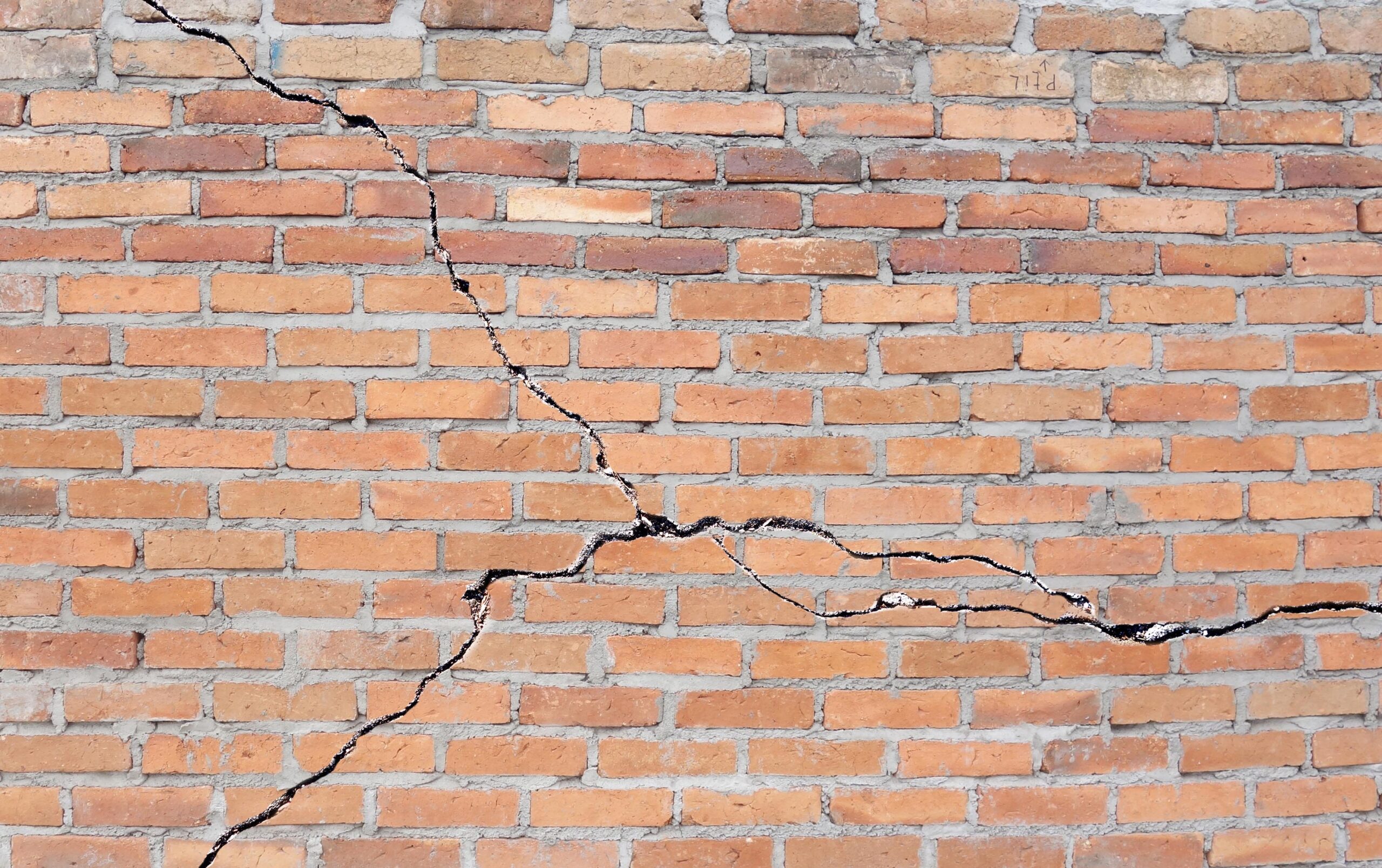
Not every cracked brick indicates a structural problem, but every crack deserves attention.
Water naturally enters small cracks in masonry. During freezing temperatures, that water expands, causing the crack to become larger over time.
Eventually, portions of the brick can begin flaking away, a condition commonly known as spalling.
Replacing damaged brick while repairing the surrounding mortar helps restore both the appearance and durability of your masonry before additional deterioration occurs.
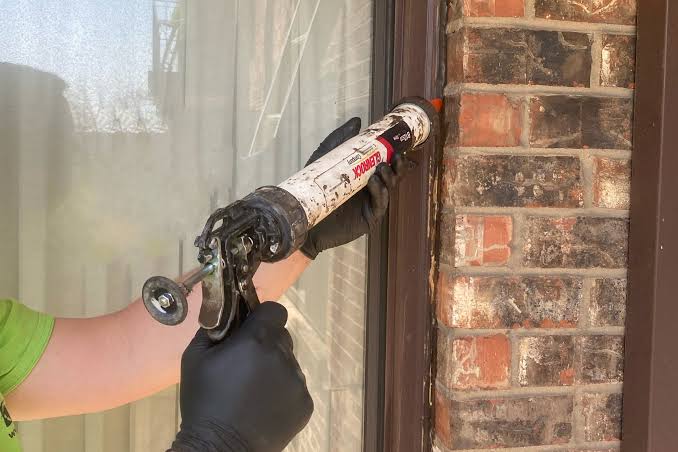
6. Deteriorating Exterior Caulking
Many masonry problems begin where two different building materials meet.
The sealant around windows, doors and masonry joints plays an important role in keeping moisture outside.
Over time, caulking dries out, shrinks, cracks and separates from the surrounding surfaces.
Once that happens, water and air are free to enter the building envelope.
Replacing deteriorated exterior sealants is one of the most affordable maintenance projects a property owner can perform, yet it’s also one of the most commonly overlooked.
Routine inspections can identify failing caulking before it creates larger problems.
7. It’s Been Years Since Your Last Masonry Inspection
Some of the most expensive masonry repairs begin as problems no one noticed.
Unlike a broken window or leaking pipe, masonry deterioration often happens slowly. Small cracks appear. Mortar gradually wears away. Moisture enters little by little.
Because the changes are so gradual, homeowners often don’t realize anything is wrong until significant repairs become necessary.
Having your masonry inspected every few years can help identify developing issues before they become costly restoration projects.
Preventive maintenance almost always costs less than emergency repairs.
Protect Your Investment Before Small Problems Become Bigger Repairs
Your home’s masonry protects everything behind it.
When mortar begins to fail or water finds its way into the wall, the damage doesn’t stop with the brick. Moisture can eventually affect insulation, framing, drywall and interior finishes.
The sooner masonry issues are identified, the easier and more affordable they usually are to repair.
Whether your home needs repointing, waterproofing, brick replacement or exterior caulking, addressing the problem early helps preserve your property’s value while avoiding unnecessary future expenses.
Why Homeowners Trust Beyond The Brick Masonry
Beyond The Brick Masonry helps property owners throughout South Jersey, Philadelphia and Northern Delaware restore and protect their properties through quality workmanship, honest recommendations and attention to detail.
Every project begins with understanding the problem, recommending the right solution and completing the work with craftsmanship built to last.
Whether your project involves masonry restoration, waterproofing, caulking or power washing, our goal is simple: protect your investment while delivering results you can be proud of.
Don’t Wait Until Minor Damage Becomes A Major Repair
If you’ve noticed cracked mortar, loose brick, water intrusion or any of the warning signs discussed above, now is the time to act.
Contact Beyond the Brick Masonry today to schedule your free estimate and receive a professional evaluation of your property’s masonry.
Get A Free Estimate
Call 609-248-0126
Frequently Asked Questions
How often should masonry be inspected?
Most homes should have their masonry inspected every few years. Older homes, historic properties and buildings exposed to severe weather may benefit from more frequent inspections.
Can damaged mortar be repaired without replacing the brick?
Yes. In many cases, deteriorated mortar can be removed and replaced through a process called repointing while preserving the existing brick.
Does cracked mortar always mean my home has structural problems?
Not necessarily. Cracked mortar is a common sign of aging masonry, but it should be evaluated before moisture causes more significant damage.
What causes brick to crack?
Brick can crack due to freeze and thaw cycles, moisture intrusion, settling, impact or normal aging. A professional inspection can determine the underlying cause.
Do you provide free estimates?
Yes. Beyond The Brick Masonry proudly provides free estimates for property owners throughout South Jersey, Philadelphia and Northern Delaware.